“outer skin” search results (400)

The planting Environment of Coffee trees what kind of environment does coffee trees need to have?
The planting of coffee trees has great requirements on the environment. There are only two areas in China where coffee trees can be planted. The origin of coffee trees is Ethiopia in Africa. In botany, coffee tree belongs to the evergreen tree of the subgenus Rubiaceae, and coffee beans, commonly known as coffee beans, are the seeds of the fruit of coffee trees, just because they are shaped like beans, so they are called coffee.
2016-05-29 Coffee planting environment need have what kind coffee have very
Geography and climate of coffee production process in Rwanda
The sink technician in the process will clean the coffee immediately because the delay will ferment the sugary outer layer of the coffee beans, ruining the taste of the coffee. The coffee beans are first thrown into a deep trough, and the best quality coffee fruit goes into the bottom and passes through a machine that peels off its skin. The mechanic takes out the floating coffee fruit, processes it in the same way and allows the cooperative to compare it in the domestic market.
2016-05-29 Rwanda coffee production process geography climate processing medium sink union
Species of coffee beans plant classification of coffee
Classification of plants Coffee beans Coffee trees belong to the evergreen tree of Rubiaceae. Rubiaceae plants have been dominated by plants with special effects since ancient times, such as quinine tree, which is regarded as a specific drug for malaria, and Dugen, which is used to treat amoeba dysentery. Coffee is defined as the most unique alkaloid drinking flora. The fruit of coffee consists of outer skin, pulp, endocarp, silver skin, and the above-mentioned layers.
2016-06-07 Coffee beans species coffee plants classification coffee beans trees
The planting environment of coffee trees introduces which countries are the most suitable for growing coffee
The first flowering period of the coffee tree is about three years old. the white five-petal tube-shaped flowers are filled with a faint scent of jasmine and the inflorescences are arranged in dense clusters. Flowers wither after two or three days of blooming and begin to bear fruit after a few months. The fruit is a drupe with a diameter of about 1.5 cm, which is green at first, then turns yellow gradually, and turns red after ripening, which is very similar to cherries.
2016-07-20 Coffee planting environment introduction which national suitable coffee first time flowering
Introduction to the characteristics of Rwandan Coffee beans in Rwanda Coffee Flavor Manor area
Malaba Coffee grows in southern Rwanda, about 12 kilometers (7 miles) from the city of Butare and 150 kilometers (93 miles) from the capital, Gejali. The plan began in the Malaba area of Butare province, but was taken over by a local government organization in 2006, which is now part of the Huye district of the southern province. Due to its proximity to the East African Rift Valley and the Neuenway Forest Mountains, the terrain
2016-07-25 Rwanda coffee flavor taste manor producing area introduction coffee beans characteristics horse
The production process and methods of coffee in Rwanda introduce the characteristics of fine coffee
After the washed coffee beans are air-dried on the net rack, after washing the coffee beans many times to completely remove the remaining skin and sugary outer layer, the coffee beans are put into the sheltered rack to air-dry. Cooperative staff regularly flip coffee beans, while technicians continue to look for and pick out poor quality coffee beans. The two-week drying process takes place in the sun (preparing mulch in case of rain), but not
2016-06-23 Rwanda coffee production process and its methods introduction boutique characteristics cleaning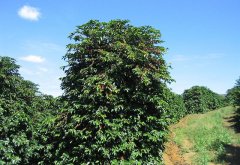
Roasting of Coffee and planting of Coffee trees
Coffee is a perennial evergreen shrub or small tree of Rubiaceae. It is a horticultural perennial cash crop with the characteristics of fast growth, high yield, high value and wide market. Wild coffee trees can grow to a height of 5 to 10 meters, but coffee trees planted on the manor are often cut to less than 2 meters in order to increase their fruit and facilitate harvesting. The first flowering period of a coffee tree is about the age of the tree.
2015-11-04 Coffee roasting species planting coffee grasses perennials evergreen shrubs trees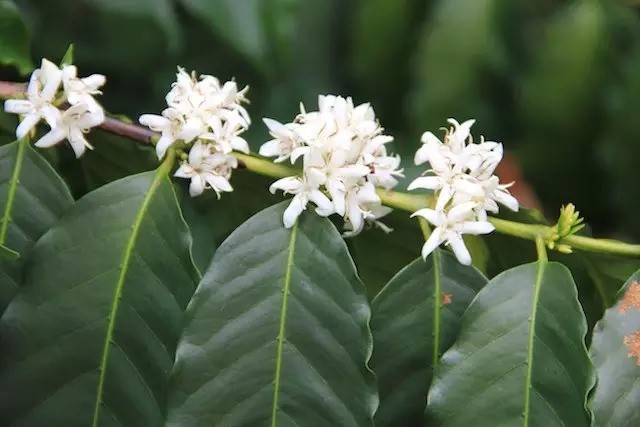
Coffee trees, raw coffee beans and ripe beans tell you what coffee is.
Now coffee has come into our lives, and all kinds of coffee shops are all over the streets. While we enjoy delicious coffee, do you know the origin of coffee? The planting conditions of coffee trees the origin of coffee trees is in Ethiopia, Africa. In botany, the coffee tree belongs to the evergreen tree of the coffee subgenus of Rubiaceae, and the so-called coffee bean is coffee.
2015-11-23 Coffee raw beans cooked beans tell after all what is now coffee has walked into![[coffee knowledge] A brief introduction of roaster](https://www.coffeesearch.net/static/assets/images/nopic.gif)
[coffee knowledge] A brief introduction of roaster
Many people do not understand the principle of baking, so today Maoye will briefly introduce the two common modes of roaster on the market: direct roaster and semi-direct hot air roaster. As the name implies, the direct fire is to heat the coffee beans directly with a flame. Up to now, the direct fire includes not only the general flame (including gas furnace fire and charcoal fire), but also infrared.
2014-06-06 Roaster roaster introduction coffee knowledge
Types of coffee trees where do the most important coffee beans in the world come from?
The first flowering period of the coffee tree is about three years old. the five-petal tube-shaped white flowers are filled with a faint scent of jasmine and the inflorescences are arranged in dense clusters. Flowers wither after two or three days of blooming and begin to bear fruit after a few months. The fruit is a drupe with a diameter of about 1.5 cm. It turns green at first, then turns yellow gradually, turns red when ripe, and is very similar to cherries.
2016-05-24 Coffee species the world the most important coffee beans mainly from where coffee
Introduction of Rwanda Coffee varieties Malaba Coffee Chimeier Manor
Laba Coffee is grown in southern Rwanda, about 12 kilometers (7 miles) from the city of Butare and 150 kilometers (93 miles) from the capital, Gejali. The plan began in the Malaba area of Butare province, but was taken over by a local government organization in 2006, which is now part of the Huye district of the southern province. Due to its proximity to the East African Rift Valley and the Neuenway Forest Mountains, this area has many topography.
2016-06-21 Rwanda Coffee species introduction Malaba Rabbah Mayer Manor
Geo-climatic production process of coffee beans in Rwanda
Malaba Coffee grows in southern Rwanda, about 12 kilometers (7 miles) from the city of Butare and 150 kilometers (93 miles) from the capital, Gejali. The plan began in the Malaba area of Butare province, but was taken over by a local government organization in 2006, which is now part of the Huye district of the southern province. Due to its proximity to the East African Rift Valley and the Neuenway Forest Mountains, the terrain
2016-06-02 Rwanda coffee beans geography climate production process Malaba Raba coffee long
The forming Environment of Coffee trees
In botany, coffee trees belong to the evergreen trees of the subgenus Rubiaceae, and coffee beans, commonly known as coffee beans, are actually the seeds of the fruit of coffee trees, just because they are shaped like beans. Climate is the decisive factor for coffee cultivation. Coffee trees are only suitable for growing in the tropics or subtropics, so the zone between latitude 25 degrees south and north is generally called coffee belt or coffee area.
2015-07-30 Coffee generation environment boutique coffee botany belong to grass family subgenus evergreen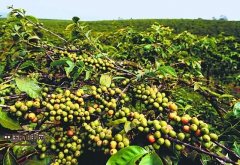
Common sense of Coffee planting requirements and conditions of Coffee trees
The origin of the coffee tree is Ethiopia in Africa. In botany, coffee trees belong to the evergreen trees of the subgenus Rubiaceae, and coffee beans, commonly known as coffee beans, are actually the seeds of the fruit of coffee trees. They are called coffee beans only because they are shaped like beans. Climate is the decisive factor for coffee cultivation. Coffee trees are only suitable for growing in the tropics or subtropics, so latitude 25 degrees south and north.
2015-01-31 Coffee common sense planting summation conditions coffee origin Africa Ethiopia
Coffee carving skills the growth environment and characteristics of coffee trees
Coffee beans are fresh and green coffee raw beans, which are obtained by removing red pulp, peel and silver skin from coffee fruit. The structure of coffee fruit is composed of outer skin, pulp, endocarp, silver skin and seeds. The shape is oval, usually the fruit of coffee is composed of two oval seeds opposite each other, and the other side is flat, so it is called flat bean, but it is also made up of
2016-06-12 Coffee carving skills growth environment characteristics coffee beans coffee fruit
Coffee knowledge the generating environment of coffee trees
In botany, coffee trees belong to the evergreen trees of the subgenus Rubiaceae, and coffee beans, commonly known as coffee beans, are actually the seeds of the fruit of coffee trees, just because they are shaped like beans. Climate is the decisive factor for coffee cultivation. Coffee trees are only suitable for growing in the tropics or subtropics, so the zone between latitude 25 degrees south and north is generally called coffee belt or coffee area.
2014-09-16 Coffee knowledge coffee tree coffee tree growth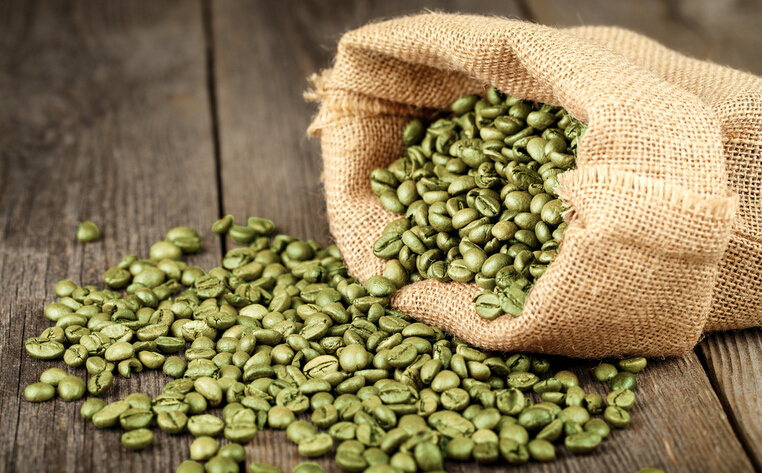
The classification of coffee beans. Classification of raw beans.
Plant classification Coffee tree belongs to the evergreen tree of Rubiaceae. Rubiaceae plants have been dominated by plants with special effects since ancient times, such as quinine tree, which is regarded as a specific drug for malaria, and Dugan, which is used to treat Amiba dysentery. Coffee is defined as the most unique alkaloid drinking flora. The fruit of coffee is made up of outer skin, pulp, endocarp, silver skin, and the species wrapped in the innermost layers mentioned above.
2016-03-21 Coffee planting raw beans fruits coffee beans classification plants coffee tree genus
Introduction to the Development History of cultivation and planting techniques for Coffee seedlings
Coffee planting technology introduces the origin of coffee trees in Ethiopia in Africa. In botany, coffee trees belong to the evergreen trees of the subgenus Rubiaceae, and coffee beans, commonly known as coffee beans, are the seeds of the fruit of coffee trees, just because they are shaped like beans, so they are called coffee beans. Climate is the decisive factor for coffee cultivation, and coffee trees are only suitable for growing in the tropics or subtropics.
2016-10-19 Coffee saplings how cultivation planting technology development history introduction coffee
Taste of Rwanda boutique coffee beans Malaba coffee is introduced in the manor area.
Malaba Coffee grows in southern Rwanda, about 12 kilometers (7 miles) from the city of Butare and 150 kilometers (93 miles) from the capital, Gejali. The plan began in the Malaba area of Butare province, but was taken over by a local government organization in 2006, which is now part of the Huye district of the southern province. Due to its proximity to the East African Rift Valley and the Neuenway Forest Mountains, the terrain
2016-07-25 Rwanda boutique coffee beans flavor taste manor producing area introduction Malaba
Basic knowledge of Coffee Coffee Tree Classification and growth picking period
Coffee tree belongs to the evergreen tree of Rubiaceae. Since ancient times, most of the plants of Rubiaceae are plants with special effects, such as quinine tree, which is regarded as a specific drug for malaria, and Dugan, which is used to treat amoeba dysentery. Coffee is defined as the most unique alkaloid drinking flora. The fruit of coffee consists of outer skin, pulp, endocarp, silver skin, and seeds (coffee beans) wrapped in the innermost layers mentioned above.
2015-03-11 Coffee basic knowledge classification growth picking coffee tree genus grass family evergreen Joe